
 Zithromax Side Effects: What to Watch for
Common Antibiotic Reactions: Symptoms You Might Expect
When you start Zithromax, you might notice mild effects that feel familiar — a bit of nausea, a headache, or a metallic taste. These often fade as the medicine works, but paying attention helps you tell routine discomfort from trouble.
Minor skin rashes, dizziness, or loose stools are common; they usually require no treatment but mention them at your follow-up.
If symptoms intensify, persist beyond a few days, or disrupt daily life, contact your provider promptly to reassess therapy, discuss remedies, and receive clear guidance on managing side effects safely.
Serious Allergic Signals That Need Immediate Attention
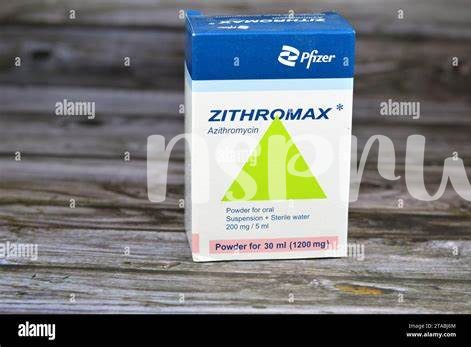
After the first dose, a sudden tightness in the throat or swelling of the face can turn a routine treatment into an emergency. With zithromax, watch for hives, wheezing, difficulty breathing, dizziness or fainting, signs that allergic reaction is progressing and immediate medical help is required.
Call emergency services and stop the medication if these symptoms appear rapidly. Be alert for severe skin reactions, blistering, mouth sores or widespread rash, which may signal life-threatening conditions needing urgent evaluation and care. Keep your allergy history when seeking treatment. Act without delay.
Digestive Disturbances: When Nausea Becomes Concerning
Sometimes after starting zithromax, a creeping nausea or queasy stomach interrupts your day. These early digestive reactions are common and usually mild, fading as your body adjusts to the medication.
Watch for persistent vomiting, severe abdominal pain, or high fever—these may indicate a complication. If nausea intensifies beyond two days or you can’t keep fluids down, seek medical advice promptly.
Keep a simple log of symptoms and any foods or other drugs taken with zithromax; this helps clinicians identify patterns. Early communication prevents dehydration and rare but serious adverse events.
Heart Rhythm Warnings: Who’s at Elevated Risk

A quiet evening turned worrying when a friend described sudden heart fluttering after starting antibiotics. Some drugs, including zithromax, can subtly prolong the heart's electrical cycle, raising risk for dangerous rhythms in susceptible people, rarely.
Risk rises with age, baseline heart disease, or electrolyte imbalances like low potassium or magnesium. Slow baseline heart rate or genetic susceptibility also matter. Concomitant medications that affect conduction amplify the danger and require caution.
Watch for palpitations, dizziness, fainting, chest discomfort, or unexplained shortness of breath. Any sudden lightheadedness or syncope after starting therapy warrants immediate evaluation. Keep a medication list to help clinicians assess risk and document symptoms.
Before starting any antibiotic, discuss personal cardiac history and current medicines with your prescriber. Clinicians may order an ECG or check electrolytes. In emergent palpitations or fainting, seek immediate medical care to prevent serious outcomes.
Liver and Kidney Signs You Should Monitor
When taking zithromax, subtle signals from your body matter. Early signs of liver trouble include dark urine, yellowing of the eyes or skin, persistent abdominal pain, and unusual fatigue. Kidney issues can show as reduced urine output, swelling in the legs or ankles, and unexplained nausea.
If any of these symptoms appear, stop the medication and contact your healthcare provider immediately. Blood tests can detect elevated liver enzymes or impaired kidney function; prompt evaluation prevents complications. Keep a list of other medicines and supplements to help clinicians assess risk soon.
| Sign | Action |
|---|---|
| Jaundice or dark urine | Seek immediate testing |
| Swelling or low urine output | Contact clinician promptly |
| Severe abdominal pain or fatigue | Stop med and get evaluated |
Drug Interactions and Safety: Talk with Prescriber
Picture managing a busy medicine cabinet; azithromycin can interact with blood thinners, antiarrhythmics and some antacids, changing drug levels or effects. Always tell your clinician about prescriptions, supplements and herbal remedies before starting treatment today.
Some combinations raise cardiac risks: certain antiarrhythmics, antipsychotics and grapefruit juice may prolong QT interval when taken with azithromycin, increasing arrhythmia risk. If you have heart disease, ask for alternatives or monitoring with your clinician.
Liver enzymes and renal function can influence dosing; report jaundice, dark urine or reduced urine output. Avoid taking azithromycin simultaneously with aluminum or magnesium antacids and discuss dose timing to preserve absorption with your pharmacist.
Interactions can change blood thinner effectiveness, blood sugar control and steroid levels. Always list OTC medicines, supplements and pregnancy status before treatment. Clear communication prevents harm and helps your clinician choose the safest possible plan. DailyMed: Azithromycin label Mayo Clinic: Azithromycin