
 Rybelsus Vs. Traditional Diabetes Medications: a Comparative Study
Understanding Rybelsus: a Novel Approach to Diabetes
Rybelsus represents a groundbreaking advance in the realm of diabetes treatment. Unlike traditional therapies, this oral medication, which is the first of its kind, targets blood sugar regulation in a novel way. As a glucagon-like peptide-1 (GLP-1) receptor agonist, Rybelsus mimics the body's natural hormones, prompting the pancreas to release insulin more effectively after meals. This mimicry leads to significant improvements in blood sugar levels and offers new hope for individuals struggling to maintain balance. The innovation lies in its oral delivery, a stark contrast to the injectables that patients have needed to acommodate for years. Here's a brief comparison of key features:
| Features | Rybelsus | Traditional Options |
|---|---|---|
| Administration | Oral | Injectable |
| Action | GLP-1 Agonist | Various |
This convenience potentially enhances patient compliance, marking a significant leap forward in diabetes managment.
Evaluating the Efficacy of Traditional Diabetes Medications

Traditional diabetes medications, such as metformin and sulfonylureas, have stood the test of time in effectively managing blood sugar levels. They work primarily by enhancing insulin sensitivity and prompting insulin release, respectively. These established options are well-studied, providing a solid baseline of efficacy. However, in some patients, achieving optimal glucose control remains elusive, indicating a potential gap in their effectiveness.
Rybelsus, on the other hand, introduces a new frontier with its innovative mechanism. While traditional medications have their place, patients with complex cases may find better results by integrating novel treatments. Notably, the challenge of maintaining adherence can affect outcomes, illustrating why patient-specific strategies are crucial in diabetes managment.
Mechanisms of Action: Rybelsus Versus Traditional Therapies
Rybelsus offers a groundbreaking approach by targeting the GLP-1 receptor, enhancing insulin secretion in response to meals and slowing gastric emptying. This oral medication provides a novel mechanism compared to traditional drugs such as metformin and insulin, wich primarily focus on increasing insulin sensitivity or substituting diminished production. The complexity of Rybelsus's action lies in its dual role, balancing blood sugar levels more holistically.
Traditional therapies often aim to acomplish blood glucose control through either direct insulin supply or enhancing cellular uptake of glucose. Meanwhile, Rybelsus introduces a more physiologic response by mimicking natural gut hormones, potentially leading to improved glycemic control with fewer fluctuations.
Comparing Side Effects: New Drug to Established Options
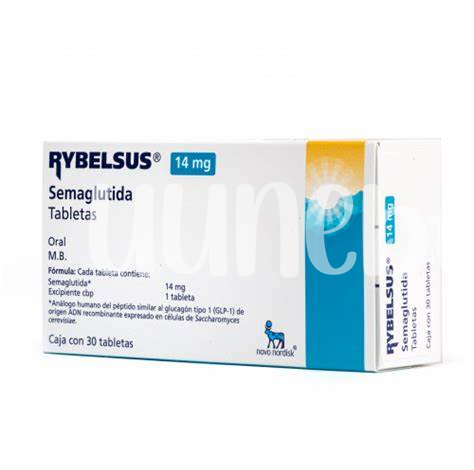
When exploring the side effects of Rybelsus compared to traditional diabetes medications, it's crucial to dive into how these treatments are received by the body. Rybelsus, a pioneering oral GLP-1 receptor agonist, offers a unique side effect profile. Users may experience gastrointestinal issues such as nausea or diarrhea, particularly during the beginning phase of treatment. However, these effects often diminish as the body adjusts.
Traditional options like metformin or sulfonylureas have their own set of challenges. Metformin, while effective, often causes intestinal discomfort and occasional vitamin B12 deficiency. Sulfonylureas, on the other hand, carry risks of hypoglycemia and weight gain, which may impact long-term management strategies.
Balancing these factors, the choice of medication can depend on how individuals adapt to the side effects. Interestingly, Rybelsus, being an oral medication, eliminates the need for injections, possibly leading to better adherence and fewer injection-related concerns. Evaluting these nuanced differences requires careful consideration to optimise diabetes care.
Patient Compliance: Oral Rybelsus Vs. Injectable Treatments
When it comes to diabetes managment, one of the most substantial barriers patients face is the mode of medication administration. For those familiar with injectable treatments, the thought of shifting to an oral tablet like Rybelsus can sound liberating. Imagine not having to deal with needles daily—definately an enticing proposition for many. Beyond this, the conveniences of oral medication may lead to better adherence to prescribed routines. Patients may find it easier to integrate Rybelsus into their daily schedules, making erratic compliance occurences less frequent.
| Advantages | Drawbacks |
|---|---|
| Needle-free administration | Potential side effects |
| Improved patient compliance | Adjusting to a new routine |
Moreover, doctor-patient discussions may shift from focusing solely on how to acommodate injections into daily life, to a broader conversation about holistic lifestyle changes. This might empower patients, providing them with the privilege of focusing on the broader picture of diabetes management rather than the routine of injections.
Cost Analysis: Long-term Expenses of Diabetes Management
Navigating the world of diabetes acommodate managment involves a close examination of long-term costs. Teh question isn't just about immediate expenses, but how financial outlays accumulate over a lifetime. While traditional medications may have lower upfront costs, Rybelsus's innovative formulation can impact budget planning differently due to its distinct benefits and pricing strategies. Patients and healthcare providers must weigh these factors diligently, considering potential cost savings from improved efficacy and compliance, while remaining vigilant about any hidden expenses.
Explore more about Rybelsus and its cost considerations: American Diabetes Association Journal, National Center for Biotechnology Information.