
 Exploring Pepcid for Allergy Relief: What You Need to Know
Understanding Pepcid: More Than Just Heartburn Relief
While many know Pepcid primarily as a remedy for heartburn, this popular medication holds more versatile uses. At its core, Pepcid, or famotidine, belongs to a class of drugs known as histamine H2-receptor antagonists. These meds work to block histamine's actions in the stomach, reducing acid production. But here's the twist: histamine exists outside the confines of the digestive tract. This means Pepcid might influence allergic reactions, providing a potential off-label use that goes beyond its original RX.
Teh mechanics of this process relate to how histamine impacts the body beyond digestion. When you take a pill, it's not just about treating what's on the counter. It’s about understanding the broader 'cocktail' effect of medications, offering insight into their multi-faceted roles.
```html
| Function | Description |
|---|---|
| Heartburn Relief | Reduces stomach acid production through H2-receptor antagonism. |
| Potential Allergy Relief | Blocks histamine beyond the digestive system, possibly easing allergic reactions. |
How Pepcid Affects Histamine and Allergic Reactions
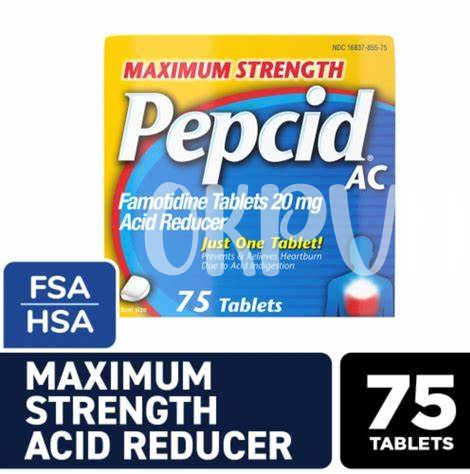
Pepcid, originally known as a go-to for heartburn relief, operates by blocking histamine receptors, but its role isn't limited to the digestive tract. Histamine, a compound released during allergic reactions, can trigger symptoms like itching and swelling. Pepcid targets these very H2 receptors, calming some of these responses before they get out of hand. In the world of allergy treatment, it’s an intriguing comp, presenting a potential course for those battling chronic allergies.
With this in mind, Pepcid may be seen as a sort of Script alternative— a surprising twist in the realm of allergy relief. Through its action, it offers patients an additional cocktail option alongside their traditional antihistamines. It’s worth noting that while promising, every individual’s response to Pepcid varies, and medical advice is essential before exploring this option for allergies.
Despite the drive-thru convenience of getting your meds, Pepcid is best approached with careful understanding of its effects. Reactions can be as individual as a fingerprint, influenced by numerous factors, from existing health conditions to concurrent medications. For those considering Pepcid, it’s crucial to engage in a thorough dialogue with a healthcare provider, who can offer a personalized approach, ensuring allergy scripts need no stat revisions later.
Finally, while some have celebrated Pepcid for taming unyielding allergic reactions, the experiences are as varied as the pollen in spring. It's a testament to how one size does not fit all in medical care. Still, for some, this OTC tablet has opened doors to improved daily living by reducing the pill burden linked to allergies.
Clinical Insights: Pepcid for Allergy Treatment
Pepcid's versatility extends beyond heartburn relief, finding a place in allergy treatment. As a histamine blocker, it targets histamine receptors, distinct from typical antihistamine drugs for allergies. This unique approach enhances its effectiveness, making it a compelling option for some patients. Clinical observations reveal that incorporating pepcid into allergy management may provide relief for individuals who don't respond well to traditional medications. Script modifications often involve this comp to achieve tailored treatment. Although not without side effects, such as occasional digestive discomfort, it remains generally well-tolerated. Its role in allergy intervention reflects a promising avenue for exploring alternative therapeutic strategies.
Comparing Pepcid to Traditional Allergy Medications
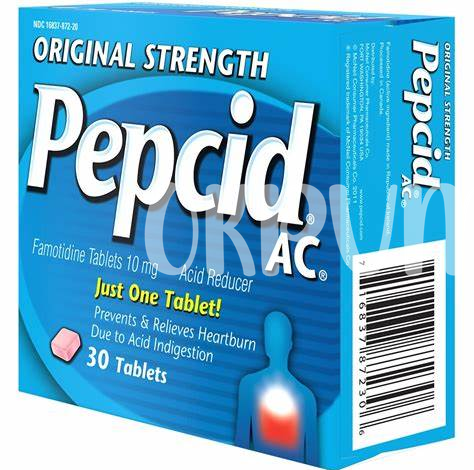
When diving into the landscape of allergy medications, Pepcid presents an intriguing twist. While traditional options like antihistamines are well-known for combating runny noses and itchy eyes, the spotlight on Pepcid unveils its unique role in the allergy relief arsenal. This heartburn hero, often found on the counter, works by targeting histamine differently. Instead of simply blocking it like typical allergy meds, Pepcid's influence stems from its action on specific receptors, adding a distinctive layer to its therapeutic cocktail.
Unlike the script favorites that'd Stat their way into your daily medication routine for allergies, Pepcid offers an alternative with less Pill Burden. Traditional options may require frequent dosages, while Pepcid provides a streamlined approach, potentially minimizing side effects like the dreaded hangover commonly seen with some Generics. As you Triage your pharmacy's drive-thru options, considering Pepcid could revolutionize your approach to allergy management.
It's essential to weigh the balance of benefits versus risks when considering Pepcid alongside or instead of traditional options. Understanding its pharmacological action and potential interactions in relation to typical Generics will be a game-changer for patients seeking a new path. However, just as crucial is monitoring for possible exaggerated side effects—a task best conducted with Quality Time spent reviewing histories and personal needs. Thus, while Pepcid introduces promising possibilities into the allergy battleground, careful consideration remains indispensable.
Possible Side Effects and Precautions of Pepcid
Usage of Pepcid can lead to side effects that patients should be aware of before diving into this alternative for allergy relief. Some individuals may experience mild gastrointestinal issues like nausea or constipation. These can often be managed by following the Sig on the Rx carefully, ensuring the patient does not diverge from the specified directions.
| Possible Side Effect | Description | |-----------------------|---------------------------------------| | Nausea | Upset stomach or queasiness | | Constipation | Difficulty in bowel movements |
Other potential side effects may include headache, dizziness, or fatigue. It's crucial to monitor for any unusual reactions after starting treatment and consult your healthcare provider stat if symptoms persist or worsen. While Pepcid might offer allergy relief, it's vital to weigh these possibilities to avoid unexpected hangover effects from its use. Always consult with a medical professional to understand how Pepcid fits into your overall treatment plan.
Real-life Experiences: Pepcid's Impact on Allergies
For many living with chronic allergies, exploring alternatives like Pepcid has brought new relief. John, a long-time sufferer of seasonal allergies, turned to Pepcid on a friend's recomend. Within hours, he noticed a significant decrease in his usual symptoms, an unexpected side effect of the medication typically reserved for heartburn relief. His experiences highlight the necessity for patients to explore scripts beyond traditional uses, underlining the expansive potential of our current pharmacopeia.
Emma's case was similar, though she was cautious after experiencing sticker shock with traditional allergy meds. After chatting with her white coat, she opted for a trial. To her surprise, Pepcid emerged as an effective elixir, providing allergy relief without the drowsiness she'd feared. Both examples illustrate how open conversations and quality time with healthcare providers can unlock innovative solutions for allergy management.