
 Common Myths about Lipitor: Debunked by Experts
Lipitor Inevitably Leads to Diabetes: True or False?
Lipitor, a widely prescribed statin, has raised concerns about a potential link to diabetes. However, experts clarify that while there is a slight increased risk of developing diabetes, it is not inevitable. For most individuals, the benefits of reducing heart attack and stroke risk outweigh this potential downside. The increased risk is primarily observed in those with pre-existing risk factors, such as obesity or high blood sugar levels.
| Risk Factor | Impact on Diabetes Risk |
|---|---|
| Obesity | Higher |
| High Blood Sugar | Higher |
| Heart Disease | Neutral |
Consulting healthcare providers for personalized advice can ensure that treatment with Lipitor remains beneficial and safe.
Is Muscle Pain from Lipitor a Guaranteed Side Effect?
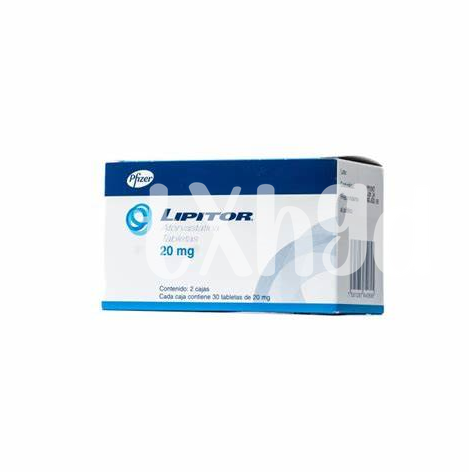
While muscle pain is a recognized side effect of Lipitor, it's far from guaranteed for everyone. Lipitor, a commonly prescribed statin for lowering cholesterol, can occasionally cause muscle-related symptoms, such as soreness, tenderness, or weakness. Experts suggest that these side effects are relatively rare and often mild when they do occur. Research indicates that only a small percentage of people experience significant muscle pain, and this can vary based on individual health factors.
It's important to differentiate between typical muscle discomfort and more serious conditions like rhabdomyolysis, which is extremely rare when taking Lipitor. Most patients do not experience any muscle pain at all. If you do feel muscle soreness after starting Lipitor, it's best to consult your healthcare provider, who can assess whether the medication or another factor is the cause and adjust your treatment plan if necessary.
Lipitor Equals Instant Weight Gain: Fact or Fiction?
Many people worry that taking Lipitor will automatically result in weight gain. However, this concern appears more fiction than fact. While individual responses to medications can vary, clinical studies haven’t identified weight gain as a typical side effect of Lipitor. Lifestyle factors, like diet and exercise, play a more substantial role in weight changes. Instead of the medication itself, it's usually the accompanying lifestyle changes recommended for cholesterol management that can influence weight.
Understanding the difference is essential. Lipitor primarily works by reducing cholesterol levels. As individuals make lifestyle adjustments paired with taking Lipitor, any perceived weight gain may be incidental rather than a direct consequence of the medication. Experts encourage focusing on a balanced diet and regular physical activity to support overall cardiovascular health, ensuring Lipitor and health regimens work harmoniously.
Does Lipitor Negatively Impact Your Memory Permanently?

Recent discussions around Lipitor, a widely-prescribed statin, often highlight concerns over cognitive effects. Some users report experiencing memory lapses, attributing them to the medication. However, experts argue that while temporary memory issues may occur, they are not a common or consistent side effect for most individuals. In fact, extensive research indicates that any impact Lipitor might have on memory is typically reversible and does not lead to permanent damage.
Leading medical professionals emphasize that the benefits of Lipitor in reducing cardiovascular risk far outweigh the rare, short-term cognitive side effects. Studies have consistently shown that the drug's ability to lower cholesterol and prevent heart attacks significantly contributes to overall health. For those concerned, it remains vital to consult healthcare providers before making any changes to prescribed therapy.
Ultimately, while anecdotes of memory issues linked to Lipitor abound, they are not reflective of the majority's experience. It's crucial to approach these claims with caution and rely on comprehensive scientific studies for guidance. Maintaining open communication with healthcare professionals ensures that any side effects, however uncommon, are adequately managed and addressed.
Can Lifestyle Changes Alone Replace the Need for Lipitor?
Lifestyle changes undoubtedly play a significant role in managing cholesterol levels, potentially reducing the need for medication like Lipitor. Adopting a heart-healthy diet, engaging in regular physical activity, and maintaining a healthy weight can certainly improve cholesterol profiles. However, experts suggest that while some individuals can achieve optimal cholesterol levels through lifestyle changes alone, others may not. This is particularly true for those with a genetic predisposition to high cholesterol, making Lipitor or other statins necessary for reducing cardiovascular risk effectively.
Creating a balanced approach that combines lifestyle adjustments with medication when necessary ensures the best outcomes. Before making any decisions about medication, it's crucial to consult with healthcare professionals to tailor a treatment plan that addresses individual health needs and challenges. Here's a quick glance at some factors:
| Lifestyle Factor | Impact |
|---|---|
| Diet | Can improve cholesterol but may not suffice alone for everyone |
| Exercise | Highly beneficial but often complements medication |
Remember, personalized medical advice is essential to tackle high cholesterol effectively.
Are All Statins Like Lipitor Created Equal?
While the world of statins might seem uniform at first glance, each statin—including Lipitor—possesses distinct characteristics. Statins are pivotal in lowering cholesterol by inhibiting the enzyme HMG-CoA reductase, yet they differ in potency, dosage, and how they're metabolized in the body. Lipitor, known for its effectiveness and relatively mild side effect profile, might not work the same way for everyone.
Some may find other statins more suitable due to differences in liver metabolism or interaction with other medications. For instance, some statins may be preferable for patients with specific health conditions or tolerance levels. Ultimately, the choice of statin depends heavily on individual health profiles and medical history, thus emphasizing the personalization of treatment for optimal results. Engaging with healthcare experts is crucial to find the best-suited statin therapy.