
 Mefloquine Vs Other Antimalarials: a Comparison
How Mefloquine Works Compared to Others
Travelers often imagine drugs as interchangeable shields, but their molecular stories differ. Mefloquine concentrates in red blood cells and disrupts the parasite's ability to detoxify heme and to maintain membrane integrity; its long half life produces persistent blood levels after dosing. By contrast, chloroquine also targets heme polymerization but resistance is widespread, artemisinin derivatives deliver rapid free radical damage to multiple parasite targets, and atovaquone collapses mitochondrial energy production.
These mechanistic differences shape speed of action, resistance patterns and clinical use. Mefloquine's slow clearance makes it suitable for weekly prophylaxis but can prolong adverse neuropsychiatric effects; artemisinins are favored for rapid treatment of severe infections, often paired with partner drugs to prevent resistance. Doxycycline and clindamycin act as slower acting protein synthesis inhibitors used in combination, while primaquine is unique for targeting dormant liver stages and preventing relapses in practice.
| Drug | Main action | Clinical note |
|---|---|---|
| Mefloquine | Disrupts heme detoxification and membrane integrity | Long half life; weekly prophylaxis |
| Artemisinins | Generates reactive radicals; rapid parasite killing | Fast action; used with partner drugs |
| Atovaquone | Inhibits mitochondrial electron transport | Often combined with proguanil; resistance possible |
Efficacy Against Parasite Strains and Resistance
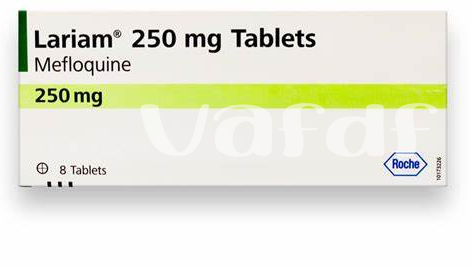
On a dusk-streaked research ward, clinicians compare mefloquine’s striking potency to other antimalarials. Mefloquine (marketed as lariam) retains strong activity against many Plasmodium falciparum isolates where older drugs fail, but regional variations in susceptibility demand up-to-date surveillance to guide choices. Laboratory assays and field data together tell the full story.
Resistance emerges differently: chloroquine-resistant strains are widespread, while artemisinin resistance has appeared as delayed clearance in parts of Southeast Asia. Mefloquine resistance has clustered geographically and can compromise effectiveness when used as monotherapy, prompting combination strategies. Surveillance must track molecular markers and clinical outcomes.
For travelers and clinicians, the lesson is practical: choose regimens backed by local resistance maps and WHO guidance. Combining drugs or selecting alternatives with distinct mechanisms reduces the chance that a single resistant parasite will undermine treatment or prevention. Personal risk and destination reports inform choices.
Side Effect Profiles and Long Term Safety
Travelers and clinicians often weigh immediate discomfort against long-term risk when choosing antimalarials. Mefloquine (commonly known by the brand name lariam) can cause vivid dreams, dizziness, and, less commonly, psychiatric effects, prompting caution in those with mental health histories.
Alternatives like doxycycline and atovaquone–proguanil tend to produce different patterns: doxycycline commonly causes photosensitivity and gastrointestinal upset, while atovaquone–proguanil is generally well tolerated but can cause abdominal pain and headache.
Long-term safety data vary; mefloquine’s neuropsychiatric concerns have led to updated guidance and monitoring, whereas doxycycline carries risks with extended use such as bacterial resistance and sunburn, and atovaquone–proguanil lacks extensive long-duration safety trials.
Individual risk factors, travel duration, and prior reactions guide selection; open discussion with a clinician helps balance efficacy with tolerability and safety for the journey ahead. Consider pregnancy, age, co-morbidities, and occupational exposure when deciding the regimen.
Dosing Convenience Cost and Access Considerations
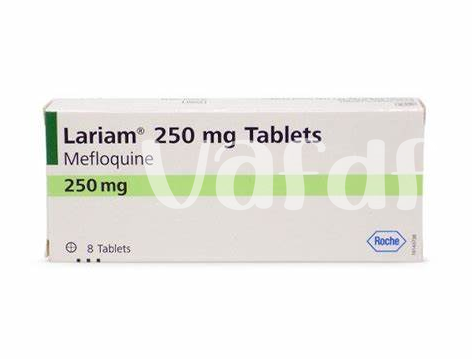
For many travelers, the rhythm of a medication can determine whether it fits a trip. Mefloquine (marketed as Lariam) offers a once-weekly dose that simplifies packing and adherence compared with daily alternatives like doxycycline or atovaquone–proguanil. That convenience can reduce missed doses, but weekly administration may also delay recognition of adverse effects; newcomers should start the drug before travel to gauge tolerance. Providers balance convenience against individual risk profiles when recommending a regimen.
Cost and access vary widely: generic mefloquine tends to be inexpensive and widely stocked, but Lariam and shortages can raise prices and limit availability. Insurance may cover prescriptions, yet travelers often rely on travel clinics or pharmacies where counseling and screening ensure safe choice. When supplies are constrained or contraindications exist, clinicians consider alternatives, weighing expense, resistance patterns, and patient preferences for a practical, accessible prevention plan.
Interactions with Other Drugs and Contraindications
A traveler considering lariam must check current prescriptions and supplements. Mefloquine is metabolized hepatically, so potent enzyme inducers such as rifampicin can reduce levels while inhibitors like some protease inhibitors may increase exposure. Concurrent use of medications that prolong cardiac conduction or depress the central nervous system can heighten risk. Always discuss combinations with a clinician and review psychiatric, seizure and cardiac histories before departure and document drug allergies too.
If a past history includes seizures or severe psychiatric illness, lariam should usually be avoided; similarly caution is warranted with significant cardiac disease or arrhythmias. Pregnant travellers and breastfeeding mothers require individualized assessment. Clinicians often favor alternative agents when risks are present, and close follow-up during and after therapy helps detect emerging neuropsychiatric or cardiac symptoms early. Communicate all over‑the‑counter remedies and herbal products to ensure safe, coordinated care today.
| Drug class | Potential concern |
|---|---|
| Enzyme inducers (e.g., rifampicin) | May lower mefloquine levels |
| Protease inhibitors | May increase exposure |
| QT‑prolonging drugs | Added cardiac conduction risk |
| Antidepressants/antipsychotics | Potential for amplified neuropsychiatric effects |
Choosing the Right Prophylaxis for Travelers
Travelers face a balancing act: destination risk, duration, medical history and tolerance for side effects all shape the best choice. Some prefer daily pills with mild side effects, others accept weekly mefloquine to avoid daily dosing. Discuss destinations with local resistance patterns, ongoing outbreaks and activities that increase mosquito exposure when planning prevention.
Consult a travel medicine specialist or your primary clinician to weigh risks like pregnancy, neuropsychiatric history or concurrent medications; mefloquine is contraindicated in some conditions. Pack insect repellent, nets and consider vaccine status as complementary strategies. Final prophylaxis should match the traveler's profile, itinerary and comfort with potential adverse effects, revisited before each trip. Always reassess choice if plans or health change. CDC — Malaria: Drugs for Travelers (includes mefloquine/Lariam) MedlinePlus — Mefloquine (Lariam)