
 Champix Vs. Other Smoking Cessation Aids: a Comparison
Understanding How Champix Works for Smoking Cessation
Champix, also known as varenicline, is designed to target nicotine receptors in the brain, which play a crucial role in addiction. By binding to these receptors, Champix reduces the pleasurable effects of smoking while simultaneously easing withdrawal symptoms. This dual action facilitates breaking the habit more manageable for many individuals. Unlike nicotine replacement therapy, Champix doesn't rely on delivering nicotine to the body, making it unique in its approach to smoking cessation.
| Mechanism | Description |
|---|---|
| Target | Nicotine receptors in the brain |
| Action | Reduces pleasurable effects of smoking, alleviates withdrawal symptoms |
| Method | Non-nicotine-based |
Comparing Champix to Nicotine Replacement Therapies

Champix (also known as varenicline) functions as a partial nicotine agonist, which means it reduces cravings and withdrawal symptoms while also diminishing the pleasure of smoking. On the other hand, Nicotine Replacement Therapies (NRTs) like patches, gum, and lozenges, work by delivering controlled doses of nicotine to the user, gradually reducing dependence on cigarettes. While Champix directly targets the brain's neurotransmitter receptors involved in addiction, NRTs primarily address the physical aspect of nicotine dependence.
Interestingly, effectiveness varies between the two methods. Research suggests that Champix often results in higher quit rates compared to NRTs, as it not only alleviates withdrawal symptoms but also reduces the rewarding effects of nicotine. However, individual results may vary, and some users might find NRTs more suitable due to their more straightforward approach and familiarity. Both methods offer valuable pathways to smoking cessation, but understanding their mechanisms can aid in choosing the best fit for each individual.
Ultimately, the choice between Champix and Nicotine Replacement Therapies depends on personal preference, medical history, and specific cessation goals. Consulting with healthcare professionals can provide further insight into which method may offer the highest likelihood of success given an individual's unique circumstances. Whether opting for Champix’s targeted approach or the gradual relief provided by NRTs, the key is a well-informed decision to maximize the probability of quitting smoking for good.
Effectiveness of Champix Versus Prescription Medications
Champix, known for its active ingredient varenicline, operates uniquely by targeting nicotine receptors in the brain to reduce craving and withdrawal symptoms, distinguishing it from other prescription medications like bupropion or nortriptyline. While bupropion works as an antidepressant that coincidentally helps with smoking cessation, Champix is designed specifically for this purpose, often resulting in higher success rates. Some studies suggest that the effectiveness of Champix in helping smokers quit is superior to that of bupropion, particularly in long-term cessation. Moreover, when compared to other medications, Champix exhibits a different side effect profile, which can be a decisive factor for patients considering cessation aids. This distinction in the mechanism of action and outcome efficacy makes Champix a favorable option for many looking to quit smoking.
Exploring Side Effects: Champix Vs. Alternatives
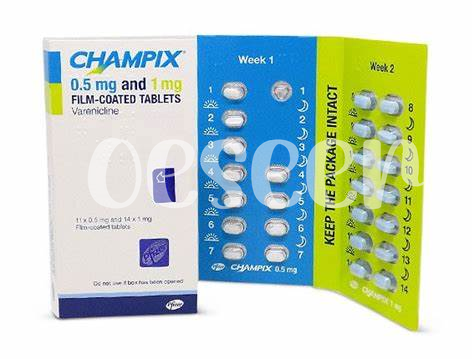
When considering smoking cessation aids, the side effects are a crucial aspect to examine. Champix, also known as varenicline, has a unique mechanism that targets nicotine receptors in the brain, potentially causing side effects such as vivid dreams, nausea, and changes in mood. However, these are typically short-lived and manageable for most users.
In comparison, nicotine replacement therapies (NRTs) like patches and gum primarily focus on reducing withdrawal symptoms. NRTs may result in skin irritation, dizziness, or mouth sores, depending on the delivery method. These side effects are generally mild but can vary in intensity.
Prescription medications like bupropion work differently from Champix and NRTs, often associated with side effects such as insomnia and dry mouth. Understanding these potential reactions can help in making an informed decision about the best cessation aid for each individual's needs.
User Experience and Success Rates of Champix
Many users report that Champix has significantly improved their chances of quitting smoking. The medication works by targeting nicotine receptors in the brain, reducing cravings and withdrawal symptoms. Testimonials often highlight its efficacy, with many smokers successfully quitting after multiple failed attempts with other methods.
In terms of success rates, various studies indicate that Champix offers a higher probability of long-term smoking cessation compared to other aids. According to research, approximately 44% of Champix users remain smoke-free after 12 weeks of treatment, a notable improvement over other cessation solutions.
| Smoking Cessation Aid | Success Rate (After 12 Weeks) |
|---|---|
| Champix | 44% |
| Nicotine Replacement Therapy | 25% |
| Bupropion | 30% |
Cost Comparison: Champix and Other Cessation Aids
When examining the costs associated with Champix compared to other smoking cessation aids, one must look at several financial angles. Champix, a prescription medication, frequently entails higher upfront costs due to its non-generic status. However, these costs can often be mitigated by health insurance coverage, which can lessen the financial burden significantly for many users.
Nicotine Replacement Therapies (NRTs) such as patches, gums, and lozenges, though usually cheaper per unit, tend to accumulate costs over extended usage periods. Additionally, while some over-the-counter cessation aids may seem economical initially, their long-term expense can rival prescription options like Champix, especially when considering the lower success rates and potential need for prolonged use.